Alberta’s Energy Regulator changes its rules to muzzle industry opposition
Yet again, the Alberta Energy Regulator puts the public interest on the back-burner.

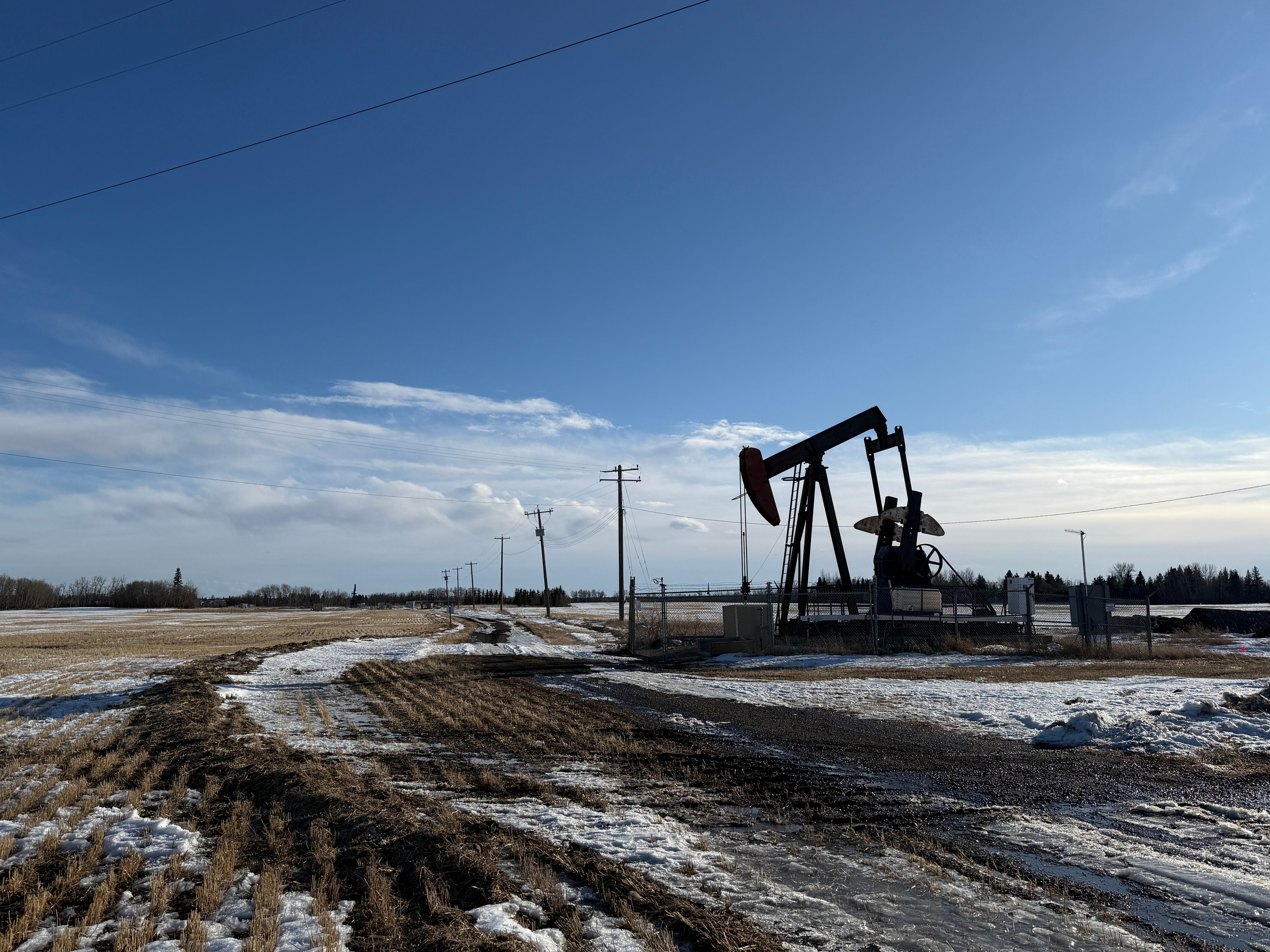
On May 5th, 2026, the Alberta Energy Regulator (AER) announced a series of new changes to its “Rules of Practice.” Changes which will make it even harder for groups (especially non-profits) to oppose energy project approvals.
The changes come as the Alberta government has vowed to double oil and gas production in the province, despite mounting frustration from landowners hosting industry infrastructure on their properties, and increasing costs for Alberta taxpayers forced to cover unpaid taxes and land rents on behalf of lawless and failing oil and gas companies.
Cancelling hearings without directly and adversely affected parties
Prior to these changes, AER hearings were already quite rare, because most regulatory approvals happen without a hearing, and the ability to participate in hearings is severely limited. Typically, only those who are directly affected by a decision are given permission to participate, which means having a property right (or Treaty right) that the project will directly harm.
When the decision to hold a hearing is made, the AER’s hearing commissioners will invite parties to participate, and those parties are then granted different levels of participation status, such as full or limited participation.
Full participation is usually granted to parties who are directly affected, and it includes the right to present evidence, cross examine, and provide final arguments, whereas limited participation gives the right to make short oral or written submissions only.
Now, the AER has given itself the power to cancel a hearing when no parties are directly and adversely affected, even if a party has already been granted “full-participant” status in a hearing. In other words, if the directly affected party withdraws from a hearing process (for any reason), the hearing will be cancelled, and the other participants will be denied the chance to participate.
This change removes the discretionary power of hearing commissioners to decide whether to continue with a hearing, and it limits opposition to projects by allowing the AER to disregard the submissions of “full-standing” participants.
In his review of these changes for the University of Calgary’s law blog (ABLawg), professor emeritus Nigel Bankes says that:
“The amendments appear to be part of a systematic effort by the AER to limit the right of those trying to speak for the environment and public lands to participate in the AER’s decision-making processes.”
Eliminating cost awards for non-profit organizations
In addition to this new power, the AER has also removed the ability for non-profits to recover their costs for participating in hearings.
Formerly, cost awards were possible not just for directly and adversely affected parties, but also to other parties who participate in AER hearings. That will no longer be the case, as the AER has added non-profits to the “excluded class of ineligible participants,” which means that non-profits cannot make any costs claim whatsoever.
It was already extremely difficult for non-profits to participate in AER hearings to begin with, and this change will likely discourage participation by making it more expensive for non-profits to participate in hearing procedures.
“Statements of concern” now a tool to support energy projects
The AER has also expanded the scope for the use of Statements of Concern (SOCs).
Prior to this rule change, SOCs were intended to be used by parties who objected to a given project application. But the recent changes mean that SOCs can now be used as statements in support of project approvals, which means that SOCs may now be filed in favour, by parties who stand to benefit from a given project.
On the surface, this may not seem like such a bad thing, but this change has the potential to massively benefit project proponents, like oil and gas companies, who have more money to pay people to submit statements of support, which could outweigh opposition to project approvals. These statements of support may result in marginalizing genuine concerns about a project.
For example, if an oil company wants to build a carbon dioxide pipeline on the property next to your home as part of a carbon capture project, you may want to submit an SOC to oppose the project given the risks to your health and safety. But now your neighbour can submit their own SOC in support of the project if they stand to benefit from their agreement with the oil company. Plus, contractors involved in the pipeline construction may submit their own SOCs in support of the project because of the economic benefits to their businesses.
All of these changes were made without any notice or any opportunity for public consultation, and taken together, these changes will make it more difficult to protect our communities and the land, air, and water we all depend on.
To quote Nigel Bankes once more:
“This is a giant step backwards for the AER that will simply reinforce the impression of many Albertans that the AER is too beholden to industry in its decision-making.”
This is so disappointing. These actions further prove the point that the "AER" is indeed beholden to corporations and their greed, rather than fulfilling it's original mandate which is to responsibly steward our natural heritage and serve the interests of Albertans (not corporations). Shame on you "AER". You have lost your way.
Could the AER be anymore of a PR front for the O&G industry?
Albertans are so poorly served by this farcical plausible deniability construct.